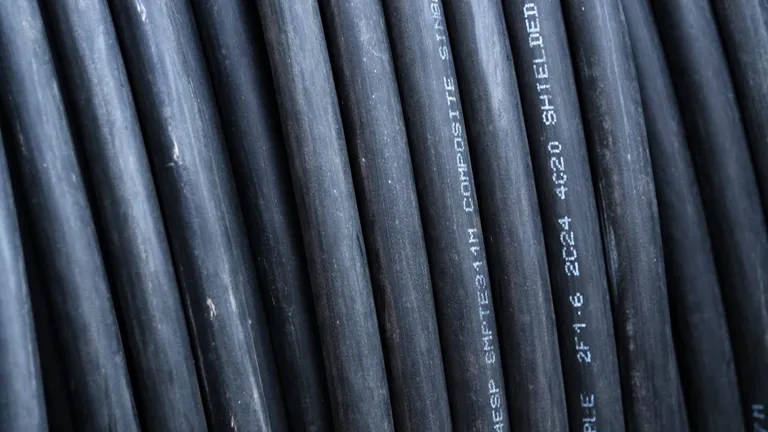
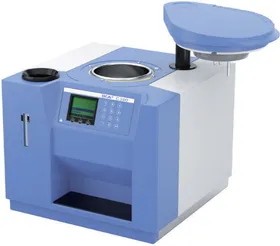
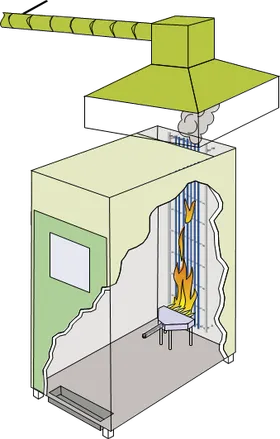
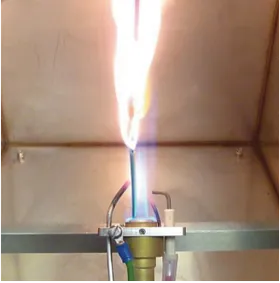
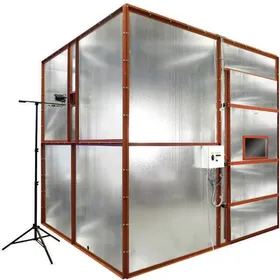
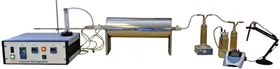
All electric cables used in EU member states are tested using the same test methods and classified using the same classification system. Cables are tested using five test methods and classified by the provisions of EN 13501-6, a parallel standard to EN 13501-1 covering electric cable requirements.
EN 13501-6 sets out the test methods and performance criteria that must be met for a cable to achieve a particular classification (Aca, B1ca, B2ca, Cca, Dca and Eca), with optional additional classifications for smoke production, flaming droplets and acidity of smoke gases.
Alongside reaction-to-fire testing, we support circuit integrity testing for fire alarm and safety cabling, where the requirement is for a cable to keep working during a fire rather than simply to resist ignition. Please contact us to discuss circuit integrity requirements, aircraft and defence cable testing, and high-risk applications such as nuclear power station cabling (IEEE 1202).
8 matching test methods. Each
card opens the full test method page.